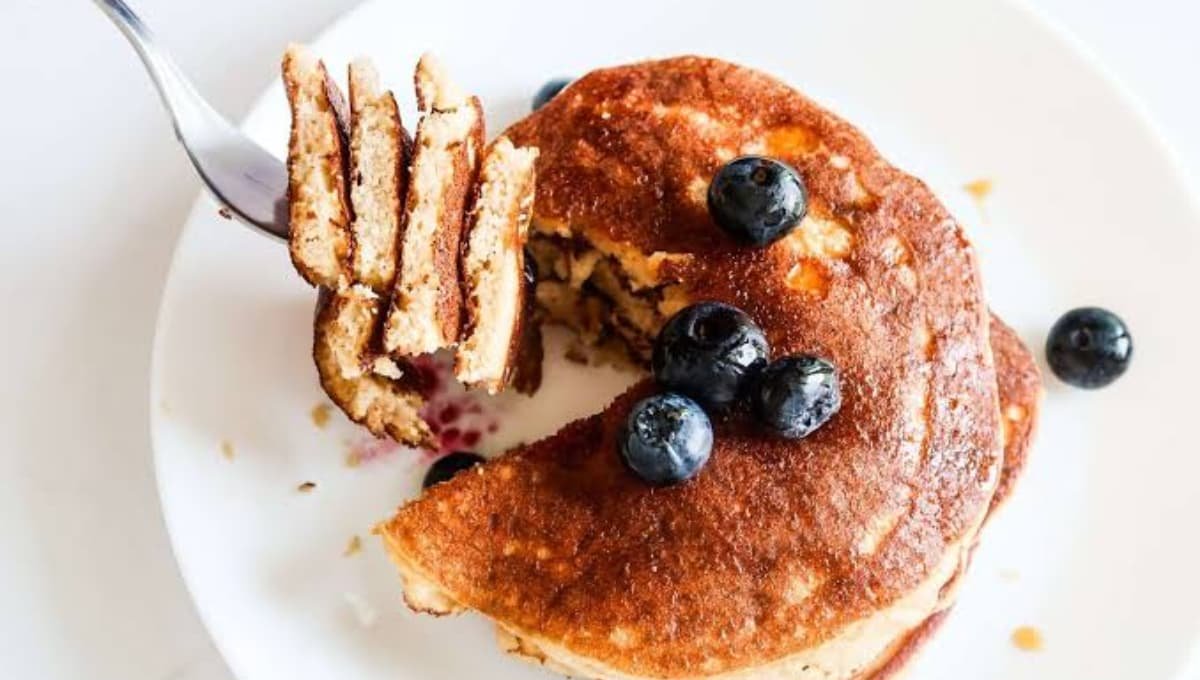
Silas is not a health food guy. He grew up on boxed pancake mix and syrup that’s probably 2% actual maple.
So when I put a stack of almond flour pancakes in front of him one Saturday morning without telling him what they were made of, I fully expected a polite “these are… fine.”
He asked for seconds before he even finished his first plate.
That’s when I knew this recipe was a keeper. Almond flour pancakes are soft, a little nutty, and hold together way better than most gluten-free pancake attempts I’ve made in the past (RIP to the sad, crumbly versions from my early cooking days).
They’re naturally low-carb, gluten-free, and honestly just taste good. No weird aftertaste. No dry, cardboard texture. Just a fluffy, golden pancake you’d actually want to eat on a regular Tuesday.
I’ve tested this recipe more times than I want to admit. Some batches turned out flat. Some fell apart the second I touched them with a spatula. One early attempt tasted more like an omelet than a pancake, which was not the goal.
But I finally landed on a version that’s consistent every single time, and that’s the one I’m sharing today. It’s become one of those recipes I make without even looking at the card anymore, which is really the best sign a recipe is worth keeping around.
Let’s get into it.
Why This Recipe Actually Works
Almond flour behaves nothing like regular flour. It has no gluten to hold things together, and it’s naturally higher in fat, which means it browns faster and can turn soggy if the batter isn’t right.
This recipe fixes both problems. The extra egg adds structure so your pancakes don’t fall apart. The short resting time lets the almond flour absorb the liquid properly, so you’re not left with a thin, runny batter that spreads all over your pan.
Once you understand why each ingredient is doing what it’s doing, you’ll be able to tweak this recipe with confidence instead of guessing.
Read this also: No-Bake Sugar-Free Cheesecake Bites You’ll Crave Daily
What You’ll Need
Here’s everything you’ll need to make a batch of about 8 pancakes.
| Ingredient | Amount |
|---|---|
| Almond flour (blanched, fine) | 1 ½ cups |
| Eggs | 3 large |
| Milk (or almond milk) | ⅓ cup |
| Melted butter or coconut oil | 2 tbsp |
| Vanilla extract | 1 tsp |
| Baking powder | 1 ½ tsp |
| Salt | ¼ tsp |
| Sweetener (sugar, honey, or monk fruit) | 2 tbsp |
| Cinnamon (optional but recommended) | ½ tsp |
Side Note: Almond flour brands are not all the same. Some are ground finer than others, and that changes how your batter comes together. If your batter looks too thin after mixing, add a tablespoon more almond flour and let it sit for a few minutes before cooking.
Tools You’ll Need
- Large mixing bowl
- Whisk
- Non-stick skillet or griddle
- Measuring cups and spoons
- Spatula
- ¼ cup measuring cup (for scooping batter)
Pro Tips From Someone Who’s Burned a Lot of Pancakes
- Let the batter rest for 5 minutes before cooking. Almond flour needs a little time to soak up the liquid, and this makes a real difference in texture.
- Keep your heat on medium-low. Almond flour browns faster than regular flour because of the natural fats in the almonds. High heat means burnt outside, raw middle. Not cute.
- Grease the pan between every batch. Almond flour pancakes stick more than traditional ones. A little butter or oil before each pour saves you a lot of frustration.
- Don’t flip too early. Wait until you see bubbles forming on top and the edges look set. These pancakes are more delicate than wheat flour ones, so flipping too soon can break them apart.
- Use a small measuring cup for pouring. Smaller pancakes (about 3 to 4 inches) flip much easier than giant ones. Trust me on this.
Almond flour pancakes are a little more forgiving once you get the hang of these small things. The first batch might not be perfect, and that’s completely normal. Even the second batch I ever made stuck to the pan and looked more like scrambled eggs than pancakes.
How to Make Almond Flour Pancakes
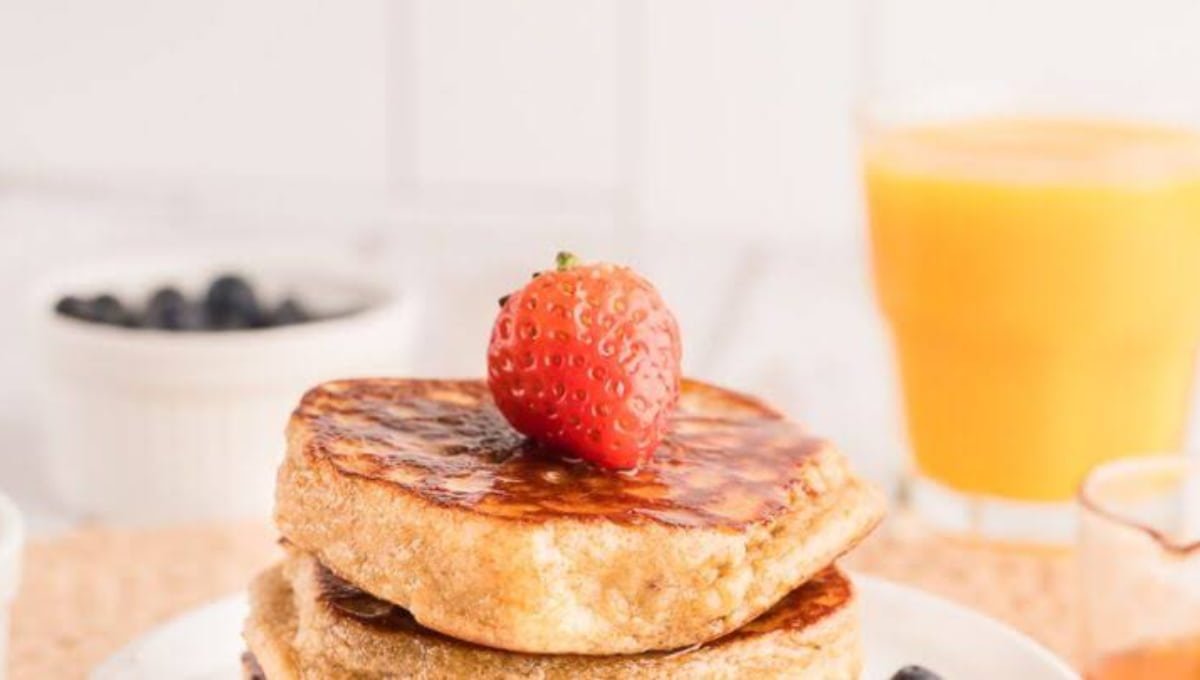
Step 1: In a large bowl, whisk together the eggs, milk, melted butter, and vanilla extract until smooth.
Step 2: Add the almond flour, baking powder, salt, sweetener, and cinnamon. Whisk until you get a smooth, thick batter with no lumps.
Step 3: Let the batter rest for 5 minutes. This step matters more than it seems like it should.
Step 4: Heat a non-stick skillet over medium-low heat and add a small amount of butter or oil.
Step 5: Pour about ¼ cup of batter per pancake onto the skillet. Spread it slightly with the back of a spoon since almond flour batter is thicker than regular pancake batter.
Step 6: Cook for 2 to 3 minutes, until you see bubbles on the surface and the edges look dry.
Step 7: Flip carefully and cook for another 1 to 2 minutes, until golden brown.
Step 8: Repeat with the remaining batter, greasing the pan between batches.
Step 9: Serve warm with your favorite toppings.
A quick note here. Almond flour pancakes cook faster than you’d expect once the pan is properly heated, so it’s worth staying close by instead of walking away to do something else. I learned this the hard way with a batch that went from golden to burnt in about 45 seconds.
Read this aslo: No oven, no fuss, just 15 minutes to irresistible peanut butter protein balls.
Substitutions and Variations
| Original | Substitute | Notes |
|---|---|---|
| Milk | Almond milk, oat milk, coconut milk | Any milk works, dairy or not |
| Butter | Coconut oil | Great for a dairy-free version |
| Sugar | Monk fruit sweetener or honey | Monk fruit keeps it low-carb |
| Plain | Add blueberries or chocolate chips | Fold in gently after mixing batter |
| Cinnamon | Nutmeg or pumpkin spice | Fun seasonal twist |
If you want a slightly fluffier pancake, you can separate the eggs, whip the whites until soft peaks form, and fold them into the batter at the end. It’s an extra step, but it does add some lift.
Make Ahead Tips
These pancakes actually freeze really well, so I usually make a double batch on Sundays.
- Let the pancakes cool completely before storing.
- Layer them with parchment paper in between so they don’t stick together.
- Store in a freezer bag for up to 2 months.
When you’re ready to eat, just pop them straight in the toaster or microwave for a quick weekday breakfast.
Leftovers and Storage
Fridge: Store in an airtight container for up to 4 days.
Freezer: Freeze for up to 2 months using the method above.
Reheating: Toaster works best for keeping the texture, but the microwave is fine if you’re in a hurry. About 20 to 30 seconds does the trick.
One thing I’ve noticed is that these pancakes hold their texture better than most gluten-free versions after reheating. They don’t turn rubbery or dry out the way some almond flour baked goods can, which makes them genuinely good for busy mornings when cooking from scratch isn’t an option.
Nutritional Snapshot
Approximate values per pancake (based on a batch of 8):
| Nutrient | Amount |
|---|---|
| Calories | 110 |
| Protein | 5g |
| Carbs | 3g |
| Fat | 9g |
| Fiber | 1.5g |
Numbers will shift a little depending on your exact brand of almond flour and sweetener.
Meal Pairing Ideas
These pancakes work well with both sweet and savory sides, which makes them easy to build a full breakfast around.
- Fresh berries and Greek yogurt. This adds a little tang and keeps things light.
- Crispy turkey bacon. The salty, crispy contrast against the soft pancakes is one of my favorite combos.
- Sugar-free maple syrup. Keeps the whole plate low-carb if that’s your goal.
- A warm cup of coffee. Or if you’re feeling fancy, a copycat version of your favorite coffee shop drink.
If you’re meal prepping for the week, these pancakes also pair nicely with a side of scrambled eggs for extra protein.
FAQs Related to Almond Flour Pancake
1. Can I make almond flour pancakes without eggs?
You can try a flax egg (1 tbsp ground flaxseed plus 3 tbsp water per egg), but the texture will be a bit denser and less fluffy.
2. Why are my almond flour pancakes falling apart?
This usually means the batter needs more resting time, or the pancakes were flipped too early. Almond flour batter needs a little patience.
3. Are almond flour pancakes keto friendly?
Yes, they’re naturally low in carbs and high in healthy fats, which makes them a solid keto breakfast option.
4. Can I use almond meal instead of almond flour?
You can, but the texture will be grainier. Blanched almond flour gives you the smoothest, fluffiest result.
5. Why is my almond flour pancake batter so thick?
Almond flour absorbs liquid differently depending on the brand. If your batter looks too thick after resting, add a tablespoon of milk at a time until it loosens up slightly.
6. Can I double this recipe?
Yes. Doubling works fine, just make sure you’re mixing the batter thoroughly since a bigger batch takes a bit more whisking to avoid clumps.
Wrapping Up
This recipe has genuinely changed our Saturday mornings around here. It’s simple enough for a regular weekday too, once you get the hang of the batter.
Give these a try and let me know how they turn out in the comments below. And if you run into any questions along the way, drop them there too. I read every single one.