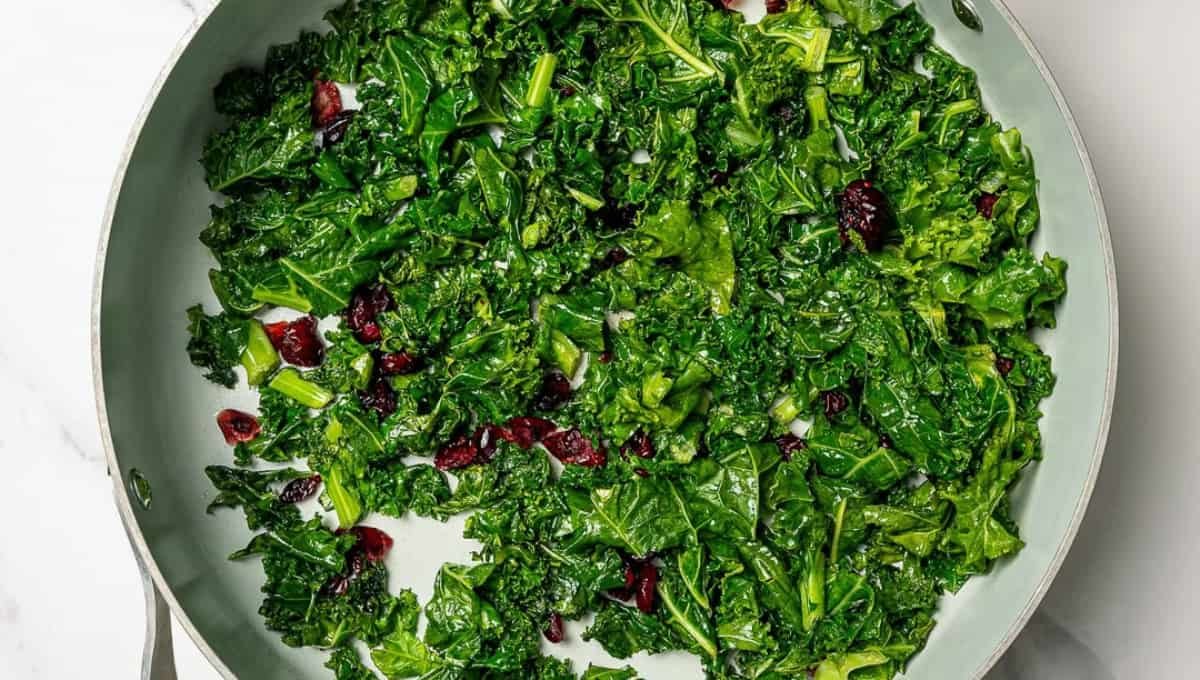
Silas has a rule about kale. He calls it “the sandpaper vegetable” and for years he’d push it around his plate like it personally offended him. Then I made this kale dressing salad on a random Tuesday, tossed it with some massaged kale, and watched him go back for seconds. Twice.
That’s when I knew this recipe was worth writing down.
This isn’t a fussy, complicated dressing. It’s the kind you whisk together in five minutes while something else is in the oven. But it does one very important job: it breaks down kale’s tough, bitter edge and turns it into something you actually crave.
Side Note: The trick isn’t the dressing alone. It’s what the dressing does to the kale when you massage it in. More on that below.
I used to be a “kale skeptic” myself, if I’m being honest. I’d order it at restaurants because it sounded healthy, then quietly leave half of it on the plate. It wasn’t until I understood what was actually happening on a chemistry level that things clicked.
Kale leaves have a tough, waxy structure that resists breaking down. That’s great for the plant, not so great for your jaw. The acid and oil in a good dressing start breaking that structure apart before it even hits your fork. That’s why a salad that tastes rough and bitter at 10am can taste completely different by lunchtime.
Why This Dressing Actually Works
Most bottled kale dressings lean too sweet or too thin to do their job. This one is built differently, on purpose.
The Dijon mustard acts as an emulsifier, which is a fancy way of saying it keeps the oil and vinegar from separating into an oily mess. The lemon juice and apple cider vinegar work together to tenderize the kale, while the honey balances out the bitterness without making the whole thing taste like dessert.
Then there’s the nutritional yeast or parmesan, which adds a savory, almost cheesy depth that makes the dressing taste far more complex than the five-minute prep time would suggest.
Read this also: 12 Easy Lunches You’ll Actually Make Again
What You’ll Need
| Ingredient | Amount |
|---|---|
| Extra virgin olive oil | 1/2 cup |
| Fresh lemon juice | 3 tablespoons |
| Dijon mustard | 1 tablespoon |
| Honey or maple syrup | 1 tablespoon |
| Garlic, minced | 1 clove |
| Nutritional yeast or grated parmesan | 2 tablespoons |
| Apple cider vinegar | 1 tablespoon |
| Salt | 1/2 teaspoon |
| Black pepper | 1/4 teaspoon |
| Red pepper flakes (optional) | pinch |
That’s it. Nothing exotic, nothing you have to hunt down at a specialty store.
Tools You’ll Need
- A mason jar with a lid, or any jar you can shake
- A small whisk (or a fork works fine)
- A microplane or garlic press
- Measuring spoons and a small measuring cup
Pro Tips
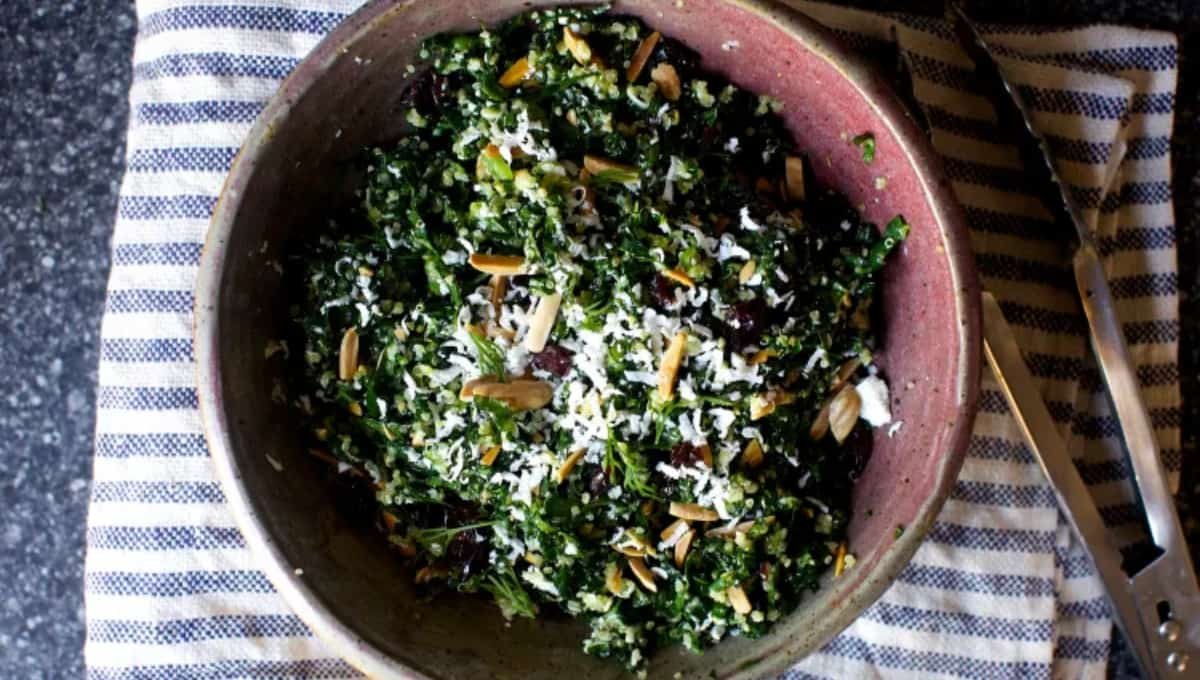
1. Massage your kale, don’t skip it. Raw kale is stiff and slightly bitter until you work the dressing into it with your hands for about two minutes. This softens the leaves and mellows the bite. It’s the single biggest difference between “meh” kale salad and one people actually finish.
2. Let the dressing sit for 10 minutes before using it. The garlic needs a minute to calm down and blend into the oil instead of overpowering everything.
3. Warm your lemon before juicing. Fifteen seconds in the microwave gets you nearly double the juice out of the same lemon. Small thing, big payoff.
4. Taste and adjust before you toss it. Every batch of olive oil and every lemon is a little different. If it tastes flat, it usually needs more acid, not more salt.
5. Don’t drown the kale. Start with half the dressing, massage it in, then add more if needed. Soggy kale salad is the fastest way to make someone (looking at you, Silas) swear off kale forever.
How to Make It
- Add the olive oil, lemon juice, Dijon mustard, and honey to your jar.
- Mince the garlic finely and add it in, along with the nutritional yeast or parmesan.
- Pour in the apple cider vinegar, salt, black pepper, and red pepper flakes if you’re using them.
- Secure the lid tightly and shake the jar for about 30 seconds, until everything looks combined and slightly thickened.
- Taste it. Adjust with more lemon for brightness, more honey for sweetness, or more salt if it needs it.
- Let it sit for 10 minutes at room temperature before pouring over kale.
- Pour about half the dressing over your kale and massage it into the leaves with your hands for 1 to 2 minutes, until the kale darkens and softens.
- Add more dressing to taste and toss in any extras like shaved parmesan, toasted nuts, or dried cranberries.
Read this also: This Butternut Squash Lasagna Might Ruin Regular Lasagna For You
Substitutions and Variations
| Original | Swap | Why It Works |
|---|---|---|
| Dijon mustard | Whole grain mustard | Adds texture and a sharper bite |
| Honey | Maple syrup | Keeps it vegan, similar sweetness |
| Apple cider vinegar | Red wine vinegar | Slightly milder tang |
| Nutritional yeast | Grated parmesan | Adds a cheesier, saltier flavor |
| Olive oil | Avocado oil | Milder taste, same creamy texture |
Side Note: If you want a creamier version, blend in a tablespoon of tahini or a quarter of a ripe avocado. It turns this from a vinaigrette into something closer to a creamy kale dressing.
Make-Ahead Tips
This dressing is honestly better after it sits for a day. The flavors settle and the garlic mellows out even more.
Make a double batch on Sunday and you’ve got dressing ready for kale salads all week. Just give it a good shake before each use since the oil and vinegar will separate.
Storage and Leftovers
Store the dressing in an airtight jar in the fridge for up to one week.
If you’ve already tossed it with kale, the salad itself holds up well for 2 to 3 days in the fridge, since kale doesn’t wilt as fast as lettuce. That’s actually one of the best things about massaged kale salad. It gets better with a little time in the fridge, not worse.
Skip freezing this one. The texture of the oil and dijon doesn’t come back right after thawing.
Nutritional Snapshot
Per 2-tablespoon serving of dressing:
- Calories: around 110
- Fat: 11g
- Carbs: 3g
- Protein: 1g
- Sugar: 2g
This will vary slightly depending on whether you use honey or maple syrup, and parmesan or nutritional yeast.
Meal Pairings
This dressing isn’t just for kale salad. It works well with:
- Roasted sweet potatoes or Brussels sprouts
- Grilled chicken or salmon
- A grain bowl with quinoa and chickpeas
- Drizzled over avocado toast
FAQs Related to Kale Dressing
1. Can I use baby kale instead of regular kale?
Yes. Baby kale is more tender to begin with, so you can skip most of the massaging step and just toss it gently with the dressing.
2. Why is my dressing separating in the fridge?
That’s completely normal. Olive oil solidifies slightly when cold and separates from the vinegar. Just let it sit at room temperature for a few minutes and shake it well before using.
3. Is this dressing keto-friendly?
Yes, as long as you use a low-carb sweetener instead of honey or maple syrup. Everything else fits within keto guidelines.
4. Can I make this without a blender or food processor?
Yes, that’s actually how this recipe is designed. A jar and a good shake, or a small whisk, is all you need.
5. How do I keep kale salad from getting soggy?
Massage the dressing in about 20 to 30 minutes before serving, not hours ahead, and store any extra dressing on the side if you’re meal prepping.
6. Do I have to massage the kale, or can I skip that step?
You can skip it, but the texture and flavor will be noticeably tougher and more bitter. If you’re short on time, even 30 seconds of massaging makes a real difference compared to none at all.
7. Can I double or triple this recipe?
Yes, this dressing scales up easily. Just keep the ratios the same and store the extra in the fridge for future salads throughout the week.
8. What kind of kale works best for this dressing?
Curly kale and lacinato kale (sometimes called dinosaur kale) both work well. Curly kale holds the dressing in its ridges nicely, while lacinato has a slightly more tender bite to begin with.
Conclusion
If kale has ever let you down before, I promise it’s not the kale’s fault. It’s usually the dressing, or the missing massage step that makes all the difference.
Give this one a try, even if you’re skeptical. Silas certainly was.
Let me know in the comments how it turns out for you, and if you tried any of the substitutions above. I’d love to hear what you paired it with.