That searing hot pan at your go-to Tex-Mex restaurant is mainly there to put on a show.
It’s certainly an entertaining, noisy, eye-catching sort of performance. But there’s no need for a lot of theatrics when you can cook up chicken fajitas straight out of a South Texas campfire.
I found that out the hard way. When Silas proclaimed our Tuesday as the night for fajitas this past spring, I roasted batches of chicken for three weeks straight over a scorching-hot cast iron pan, with the oil flinging off against my forearms and the smoke detector singing along.
But in Week Four, I was done with that. I threw all the ingredients onto one sheet pan, threw the oven on high heat, and left.
Twenty minutes later, Silas sauntered into the kitchen, sniffed the air, and asked what Mexican restaurant I had ordered from.
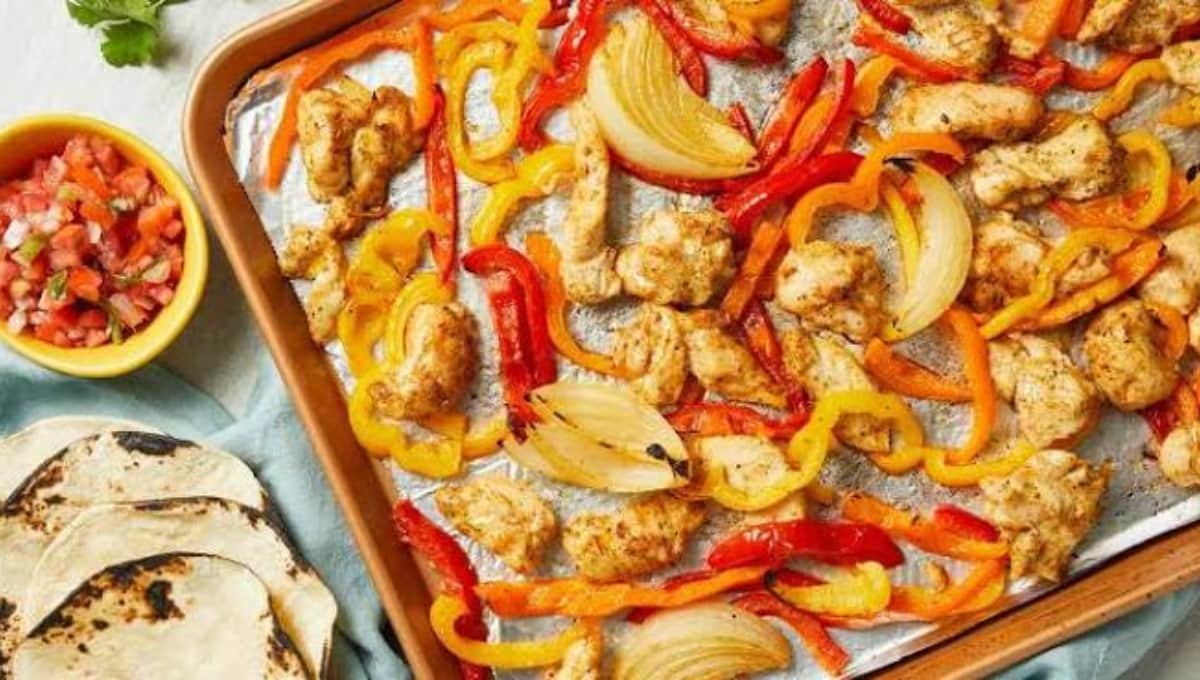
These sheet pan chicken fajitas are now a weekly tradition for us. Moist and smoky chicken. Sweet peppers, slightly charred on the edges. Soft onions, crispy at the tips. One pan for all of that cooking.
Don’t forget to continue reading down below for the history lesson that will blow you away about what those chicken
Why Sheet Pan Fajitas Are Winning Weeknights in 2026
High heat does the heavy lifting here. At 425°F, the edges of the chicken and peppers caramelize while the middles stay tender and juicy.
Here’s why this method keeps showing up on my dinner table:
- Mostly hands-off: about 15 minutes of chopping, then the oven takes over.
- Zero splatter: your stovetop stays clean, and so do your arms.
- Feeds four: one pan makes enough for a hungry family.
- High protein: roughly 40 grams per serving before the tortillas even show up.
- Budget friendly: chicken, peppers, an onion, and spices you probably already own.
The Surprising Story Behind the Word “Fajita”
“Fajita” comes from faja, the Spanish word for belt or strip. So a fajita is literally a “little belt.”
The name originally meant skirt steak, a long, thin cut that ranch owners treated as scraps. Mexican vaqueros working Texas cattle ranches in the 1930s and 40s were often handed it as part of their pay.
Those cowboys grilled it over open fires, sliced it thin, and wrapped it in tortillas. For decades, it stayed a regional secret.
That changed in 1969, when an Austin meat market manager named Sonny Falcon opened a fajita taco stand at a festival in the tiny town of Kyle, Texas. Texans went wild for it, and he earned the nickname “The Fajita King.”
So technically, chicken fajitas are a bit of a contradiction. Nobody at my table has ever complained.
Read this also: Dumpling Bake: The Lazy Viral Dinner That Beat My Lasagna
What You’ll Need
Everything here is easy to find at any regular grocery store. Grab three different colored peppers if you can, since each one brings its own level of sweetness.
| Ingredient | Amount | Notes |
|---|---|---|
| Boneless, skinless chicken breasts | 1 1/2 lbs (about 2 large) | Sliced into 1/2-inch strips |
| Red bell pepper | 1 large | Sliced into 1/2-inch strips |
| Yellow bell pepper | 1 large | Sliced into 1/2-inch strips |
| Green bell pepper | 1 large | Sliced into 1/2-inch strips |
| Red onion | 1 large | Cut into 1/2-inch slices |
| Olive oil or avocado oil | 3 tablespoons | Helps the spices stick and the edges brown |
| Chili powder | 1 tablespoon | The backbone of the seasoning |
| Ground cumin | 2 teaspoons | Warm and earthy |
| Smoked paprika | 1 1/2 teaspoons | Brings that grilled, smoky flavor |
| Garlic powder | 1 teaspoon | Won’t burn in a hot oven like fresh garlic can |
| Onion powder | 1/2 teaspoon | Adds savory depth |
| Dried oregano | 1/2 teaspoon | Mexican oregano if you have it |
| Kosher salt | 1 teaspoon | Use 3/4 teaspoon if using table salt |
| Black pepper | 1/2 teaspoon | Freshly ground |
| Cayenne pepper | 1/4 teaspoon | Optional, for a little heat |
| Limes | 2 | 1 juiced, 1 cut into wedges |
| Fresh cilantro | 1/4 cup, chopped | For finishing |
| Small flour tortillas (6 to 8 inch) | 8 | Or corn tortillas |
Optional Toppings
- Sour cream or plain Greek yogurt
- Guacamole or sliced avocado
- Pico de gallo or your favorite salsa
- Shredded Monterey Jack or crumbled cotija cheese
- Pickled jalapeños
Tools You’ll Need
- Large rimmed sheet pan (an 18 x 13-inch half sheet pan works best)
- Aluminum foil
- Large mixing bowl
- Small bowl for the spice mix
- Sharp chef’s knife and a cutting board
- Measuring spoons
- Tongs or a wide spatula
- Instant-read thermometer
Side Note: Parchment paper and the broiler do not get along. Since we’re broiling at the end for that charred look, foil is the safer liner here.
Pro Tips for First-Timers
- Cut everything the same thickness. Half-inch strips of chicken and peppers finish at the same time, so nothing ends up raw or mushy.
- Give it room. A crowded pan steams instead of roasts. If yours looks packed, split everything between two pans. Soggy fajitas are sad fajitas.
- Pat the chicken dry. Wet chicken won’t brown. A quick press with paper towels makes a real difference in color and flavor.
- Save the lime for the end. Fresh lime juice squeezed over the hot pan tastes bright and punchy. Cooked lime juice loses most of that zing.
- Trust the thermometer, not the clock. Every oven runs a little different. Chicken is safe at 165°F in the thickest piece, and pulling it right at that point keeps it juicy.
How to Make Sheet Pan Chicken Fajitas
| Prep Time | Cook Time | Total Time | Servings |
|---|---|---|---|
| 15 minutes | 20 to 25 minutes | About 40 minutes | 4 |
- Heat the oven. Set a rack in the upper-middle position and heat the oven to 425°F. Line a large rimmed sheet pan with foil and give it a light coat of oil spray.
- Mix the seasoning. In a small bowl, stir together the chili powder, cumin, smoked paprika, garlic powder, onion powder, oregano, salt, black pepper, and cayenne.
- Prep the chicken. Slice the chicken breasts into 1/2-inch strips and pat them dry with paper towels. If one end of a breast is much thicker, cut those strips a little thinner.
- Slice the vegetables. Remove the seeds and white ribs from the peppers, then cut them into 1/2-inch strips. Halve the onion and cut it into 1/2-inch slices.
- Toss it all together. Add the chicken, peppers, and onion to a large bowl. Drizzle with the oil, sprinkle on the seasoning, and toss until every piece is coated.
- Spread it out. Pour everything onto the sheet pan in a single layer. Tuck the chicken strips between the veggies instead of piling them on top.
- Roast. Bake for 18 to 22 minutes, stirring once halfway through, until the peppers are tender and the chicken reaches 165°F.
- Warm the tortillas. Wrap the tortillas in foil and set them on the lower rack for the last 5 minutes of roasting. Pull them out before you broil. You can also char them one at a time over a gas burner with tongs, about 15 seconds per side.
- Broil for char. Switch the oven to high broil for 2 to 3 minutes, until dark spots show up on the edges. Stay close. The broiler goes from charred to burnt in a flash.
- Finish and serve. Squeeze one lime over the hot pan, scatter the cilantro on top, and bring the whole pan to the table with the warm tortillas, lime wedges, and toppings.
Side Note: Silas has a habit of eating the crispy onion bits straight off the pan before anyone sits down. Guard the corners.
Read this also: Honey Garlic Chicken and Broccoli: The Step Most Recipes Get Wrong
Substitutions and Variations
This recipe bends to fit almost any diet or fridge situation. Here are the swaps I’ve tested and loved.
| Swap This | For This | Good to Know |
|---|---|---|
| Chicken breast | Boneless, skinless thighs | Juicier and harder to overcook. Add 3 to 5 minutes. |
| Chicken | Large shrimp | Roast the veggies alone for 12 minutes, then add shrimp for the last 6 to 8 minutes. |
| Chicken | Sirloin or flank steak strips | Add to the pan for the last 8 to 10 minutes. |
| Chicken | Portobello mushrooms and black beans | Vegetarian. Add the rinsed beans for the last 5 minutes. |
| Flour tortillas | Corn tortillas | Naturally gluten-free, just check the label. |
| Flour tortillas | Butter lettuce leaves | Low-carb and keto friendly. |
| Homemade seasoning | Store-bought fajita seasoning | Use about 2 tablespoons and skip the added salt. |
| Sour cream | Plain Greek yogurt | Same tang, more protein. |
| Olive oil | Avocado oil | Handles high oven heat really well. |
Fun Flavor Twists
- Chipotle fajitas: stir 1 tablespoon of adobo sauce from a can of chipotle peppers into the oil before tossing.
- Honey lime: whisk 1 tablespoon of honey into the lime juice before drizzling it over the finished pan.
- Extra veggies: add sliced zucchini or poblano peppers for more color and crunch.
- Paleo-friendly bowl: serve over cauliflower rice and skip the tortillas and dairy.
Make-Ahead Tips
- Spice blend: triple the seasoning and keep it in a sealed jar in your pantry for up to 6 months.
- Veggies: slice the peppers and onion up to 2 days ahead and refrigerate them in a sealed container.
- Chicken: toss the raw strips with the oil and spices up to 24 hours ahead and keep them covered in the fridge.
- Freezer kit: add the seasoned raw chicken and sliced veggies to a freezer bag and freeze for up to 3 months. Thaw overnight in the fridge, drain any liquid, and pat dry before roasting.
Weeknight Shortcuts That Save Real Time
- Buy chicken tenders. They’re already strip-shaped, so you only need to halve the thick ones.
- Look for pre-sliced pepper and onion mixes in the produce section.
- Start a pot of rice or warm a can of beans while the pan roasts. Dinner lands on the table all at once.
Leftovers and Storage
Leftover fajitas might be even better the next day. Here’s how to keep them tasting fresh.
- Fridge: store the chicken and veggies in an airtight container for up to 3 to 4 days. Keep the tortillas separate so they don’t get soggy.
- Freezer: freeze the cooked filling for up to 3 months. The peppers will soften a bit after thawing.
- Skillet reheat: 3 to 4 minutes over medium-high heat brings back some of that char.
- Microwave: covered, for 60 to 90 seconds, stirring once.
- Air fryer: 375°F for 3 to 4 minutes.
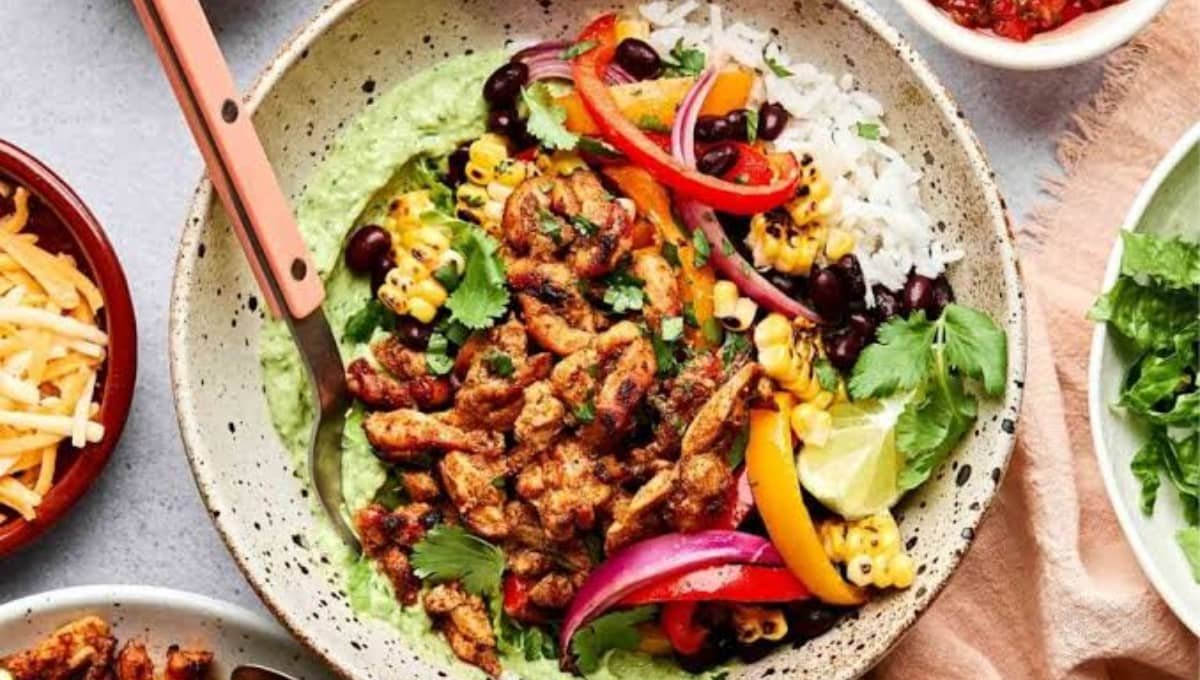
Running out of ideas for the leftovers? Stuff them into quesadillas, pile them over rice for a quick burrito bowl, or fold them into scrambled eggs for a fajita breakfast that Silas swears is the real reason I make a double batch.
Nutrition Snapshot (Per Serving)
These numbers are estimates for 4 servings, without toppings. They’ll shift a little depending on your tortilla brand and how generous you get with the guacamole.
| Nutrient | Filling Only | With 2 Small Flour Tortillas |
|---|---|---|
| Calories | About 350 | About 540 |
| Protein | About 40 g | About 45 g |
| Carbohydrates | About 13 g | About 43 g |
| Fat | About 14 g | About 19 g |
| Fiber | About 4 g | About 6 g |
| Sodium | About 620 mg | About 1,080 mg |
Watching your sodium? Cut the salt to 1/2 teaspoon and finish with extra lime. The acid wakes up the flavor, so you won’t miss it.
What to Serve With Chicken Fajitas
- Cilantro lime rice
- Black beans or refried beans
- Mexican street corn salad
- Tortilla chips with guacamole and salsa
- A crunchy cabbage slaw with lime and a pinch of salt
- A pitcher of watermelon agua fresca or a classic margarita
FAQs Related to Sheet Pan Chicken Fajitas
1. What temperature do you bake chicken fajitas at?
Bake them at 425°F for 18 to 22 minutes. The chicken is done when the thickest strip reads 165°F on an instant-read thermometer.
2. Why are my sheet pan fajitas watery?
Usually the pan is too crowded, or the chicken went on wet. Spread everything in a single layer, use two pans if needed, and pat the chicken dry first.
3. Can I make chicken fajitas in the air fryer?
Yes. Cook them at 400°F for 12 to 15 minutes in batches, shaking the basket halfway through. Check that the chicken hits 165°F.
4. Can I use frozen bell peppers?
You can. Add them straight from frozen and spread them out well. They release more water, so expect softer peppers with less char.
5. Are sheet pan chicken fajitas healthy?
They’re a solid choice. Each serving has about 40 grams of protein and three kinds of peppers. Cheese, sour cream, and big flour tortillas are where the extra calories sneak in.
6. What’s the difference between fajitas and tacos?
Tacos are a huge family with almost any filling. Fajitas mean sliced meat or veggies cooked with peppers and onions, served on a platter so everyone builds their own at the table.
Conclusion
Fajita night doesn’t need a sizzling skillet, a shrieking smoke alarm, or a sink full of pans. One sheet pan, a handful of spices, and about 40 minutes is all it takes.
Make these this week and come back to tell me how it went in the comments. Did you stick with chicken, or go rogue with shrimp or steak? Did someone in your house steal the crispy onions too?
Silas is convinced the steak version wins. Help me prove him wrong. And if you have any questions, drop them below.