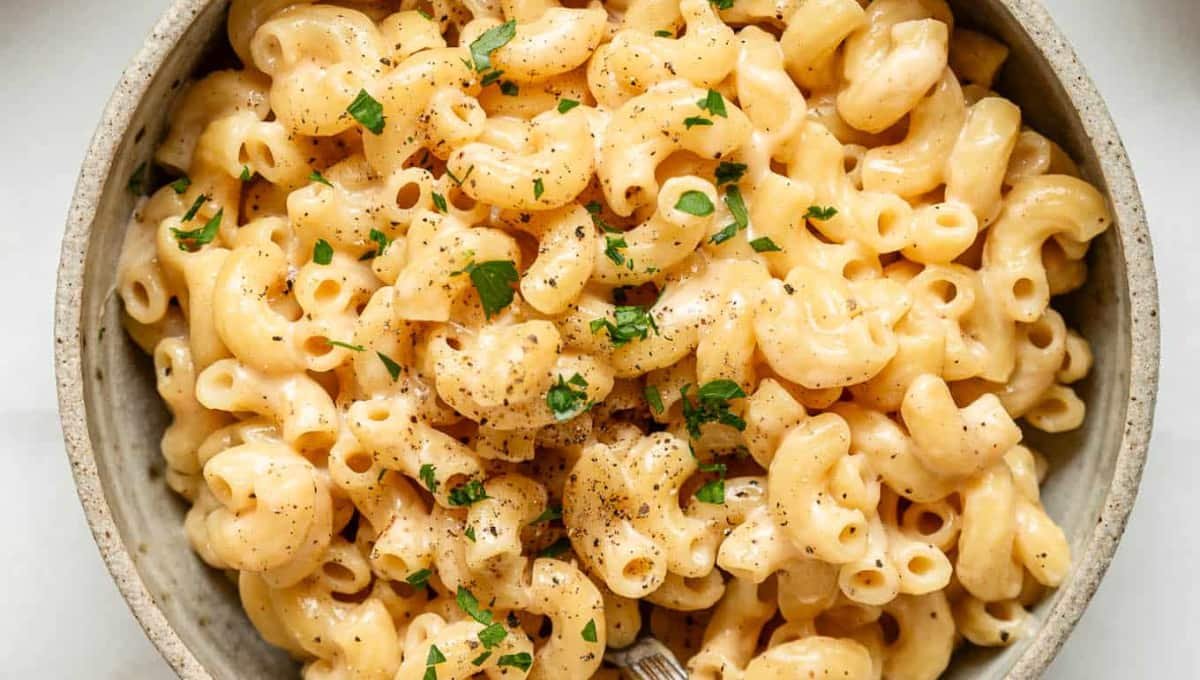
viral pasta: Silas walked into the kitchen last week, took one bite of this pasta, and asked why it tasted like alfredo but felt lighter. I didn’t tell him the sauce was mostly cottage cheese until he’d already gone back for seconds.
That’s the whole appeal of this recipe. It looks like a rich, creamy weeknight pasta. It behaves like one too. But it’s packing close to 30 grams of protein a serving without a single scoop of protein powder anywhere near it.
I know cottage cheese has a reputation problem. Lumpy, bland, the thing your grandmother ate with canned peaches. Forget all of that. Once it’s blended smooth and warmed gently into a sauce, it turns into something closer to a cross between ricotta and cream cheese, and it clings to pasta in a way that genuinely surprised me the first time I made it.
Side Note: if you’ve scrolled past this recipe on social media a dozen times and wondered if it’s actually good or just a protein trend, I tested it four times before posting. It’s good. It’s really good.
Here’s what actually happens when hot pasta water hits blended cottage cheese. The starch in the water helps stabilize the proteins in the cheese, so instead of breaking or curdling, everything comes together into a sauce that coats the pasta the same way a béchamel or alfredo would. It’s a small kitchen science trick, but it’s the reason this recipe works instead of turning into a sad, watery mess.
I also want to be upfront about something. This isn’t a low-calorie diet hack dressed up as comfort food. It’s a genuinely different way to build a creamy sauce, one that happens to bring a lot more protein along for the ride. Whether you’re trying to hit a daily protein goal, feed a family without another jar of store-bought alfredo, or just want dinner on the table before everyone starts asking what’s taking so long, this recipe earns its spot in the regular rotation.
This is a 20-minute dinner, one blender, one pot, and pantry staples you probably already have. Let’s get into it.
What You’ll Need
| Ingredient | Amount |
|---|---|
| Cottage cheese (full-fat or 2%) | 1 cup |
| Pasta (rigatoni, penne, or fusilli) | 12 oz |
| Garlic cloves | 3, minced |
| Unsalted butter | 2 tbsp |
| Reserved pasta water | ½ cup |
| Grated parmesan | ½ cup, plus more for topping |
| Lemon juice | 1 tsp |
| Red pepper flakes | ¼ tsp |
| Salt | to taste |
| Black pepper | to taste |
| Fresh basil or parsley | for garnish |
Side Note: Full-fat cottage cheese blends the smoothest and gives you the richest texture. If all you have is low-fat, it still works, the sauce will just be slightly thinner.
Read this also: The Secret to Shatteringly Crispy Air Fryer Chicken Thighs
Tools You’ll Need
- Blender or immersion blender
- Large pot
- Large skillet
- Colander
- Measuring cups and spoons
Pro Tips
Before you start boiling water, a few things I learned the hard way.
- Blend the cottage cheese completely smooth. Any texture that survives blending will show up in the final sauce, and lumpy sauce is the one thing that will remind you it’s cottage cheese.
- Take the skillet off direct heat before adding the sauce. Cottage cheese protein tightens up fast under high heat, and that’s what causes graininess. Warm it gently, off the flame, stirring constantly.
- Save more pasta water than you think you need. This sauce is thick going in, and pasta water is what loosens it into something silky instead of gluey.
- Salt the pasta water generously. Cottage cheese sauce is mild on its own, so a well-salted pasta base does a lot of the flavor work.
- Add the parmesan gradually. Dumping it all in at once can make the sauce clump instead of melting evenly.
How to Make Cottage Cheese Pasta
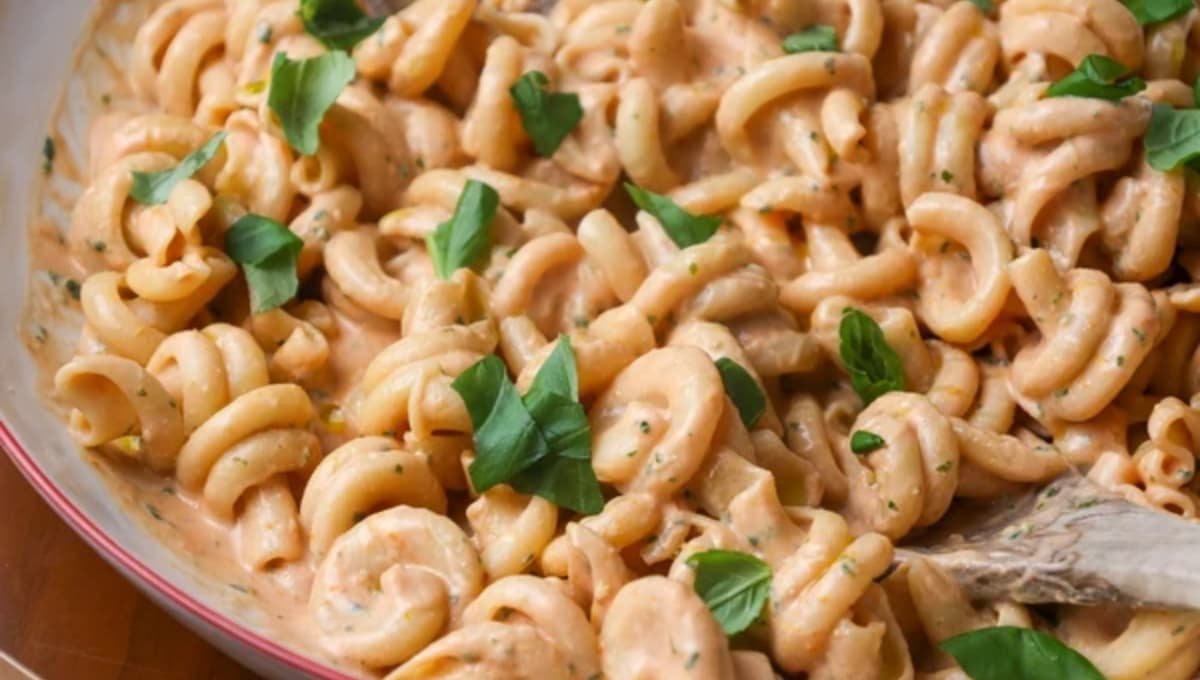
Step 1: Cook the pasta. Bring a large pot of generously salted water to a boil. Cook pasta until just shy of al dente, since it’ll finish cooking in the sauce. Before draining, scoop out at least a cup of pasta water and set it aside.
Step 2: Blend the sauce base. While the pasta cooks, add cottage cheese, lemon juice, a pinch of salt, and a few tablespoons of the hot pasta water to a blender. Blend until completely smooth, about 60 seconds. It should look like a thick, pourable cream.
Step 3: Build the flavor. In a large skillet over medium heat, melt the butter. Add minced garlic and red pepper flakes, and cook for about a minute, just until fragrant. Don’t let the garlic brown or it turns bitter.
Step 4: Combine off the heat. Pull the skillet off the burner. Pour in the blended cottage cheese mixture and stir it into the garlic butter. Add the parmesan a little at a time, stirring until melted and smooth.
Step 5: Toss in the pasta. Add the drained pasta straight into the skillet. Toss to coat, adding splashes of reserved pasta water until the sauce clings to every piece and looks glossy rather than thick.
Step 6: Finish and serve. Taste and adjust salt and pepper. Top with extra parmesan, a scattering of fresh basil or parsley, and serve immediately while the sauce is at its silkiest.
Substitutions and Variations
| Original | Swap | Why It Works |
|---|---|---|
| Regular pasta | Chickpea or lentil pasta | Boosts protein even further, keto-friendlier carb count |
| Parmesan | Pecorino Romano | Sharper, saltier flavor |
| Butter | Olive oil | Lighter, slightly different flavor profile |
| Red pepper flakes | Black pepper only | Milder heat level |
| Basil | Green onions or chives | Different but equally fresh finish |
| Plain sauce | Sun-dried tomatoes stirred in | Adds tang and color |
Side Note: If you want to turn this into a full meal, shredded rotisserie chicken or sautéed shrimp stirred in at the end works beautifully and pushes the protein count even higher.
Read this also: Swedish Meatballs So Good You’ll Skip IKEA Forever
Make Ahead Tips
The sauce base can be blended up to two days ahead and kept in an airtight container in the fridge. When you’re ready to cook, just cook the pasta fresh and warm the sauce gently in the skillet before combining, rather than microwaving it directly.
I wouldn’t fully assemble the dish ahead of time. Pasta keeps absorbing the sauce as it sits, and you’ll lose that glossy, just-made texture.
Storage and Reheating
Leftovers keep well in an airtight container in the fridge for up to 3 days.
To reheat, add the pasta to a skillet with a small splash of water or milk over low heat, stirring gently until warmed through. Avoid the microwave if you can, since high heat is what makes cottage cheese sauces turn grainy. Low and slow keeps it smooth.
This dish isn’t a great freezer candidate. The sauce separates once thawed and doesn’t come back together the same way.
Nutritional Snapshot (Per Serving, Based on 4 Servings)
| Nutrient | Approximate Amount |
|---|---|
| Calories | 420 |
| Protein | 27g |
| Carbohydrates | 48g |
| Fat | 14g |
| Fiber | 2g |
These numbers will shift depending on the pasta and cheese you use, but even the standard version lands well above what a typical creamy pasta delivers in protein.
Meal Pairings
- A simple arugula salad with lemon vinaigrette to cut through the richness
- Garlic bread, if you’re not worried about the carb count
- Roasted broccoli or asparagus on the side for some color and crunch
- A glass of chilled white wine, if that’s your kind of weeknight
FAQs Related to Viral Pasta
1. Can I taste the cottage cheese in this pasta?
Once it’s blended smooth and cooked into the sauce, it tastes closer to a light alfredo than anything resembling plain cottage cheese.
2. Is cottage cheese pasta actually healthy?
It’s higher in protein and lower in fat than a traditional cream-based pasta sauce, which makes it a solid option if you’re trying to eat more protein without cutting flavor.
3. Why did my sauce turn grainy?
This almost always comes down to heat. Cottage cheese protein tightens up when it hits direct high heat. Keep the skillet off the burner when you add the sauce, and reheat leftovers gently.
4. Can I make this dairy-free?
Not easily. Cottage cheese is the entire base of this sauce, so a dairy-free version would need a different starting point, like blended silken tofu, which changes the flavor and texture significantly.
5. What’s the best pasta shape for this recipe?
Anything with ridges or a hollow center, like rigatoni, penne, or fusilli, holds onto the sauce better than a flat noodle.
6. Can I use blended ricotta instead of cottage cheese?
You can, though the protein count drops and the flavor turns slightly sweeter. Cottage cheese has a tangier edge that plays especially well with the garlic and lemon here.
7. How much protein powder equivalent does this recipe replace?
A single serving delivers roughly the same protein as a scoop of most whey protein powders, minus the chalky aftertaste and the need to explain to your kids why dinner tastes like a gym shake.
Wrapping Up
This is one of those recipes that made me a little suspicious of viral food trends being right for once. It’s fast, it’s genuinely satisfying, and it doesn’t ask you to pretend a vegetable tastes like cheesecake.
If you make this, I’d love to know how it turned out for you. Drop a comment below, especially if you tried one of the substitutions, and let me know what worked. And if you’re still on the fence about cottage cheese, this might be the recipe that finally changes your mind.