
I’ve tried more “lose weight fast” plans than I’d like to admit. Some worked for a few days. Most left me hungry, tired, and back to square one by week three.
So when people ask me how to weight loss in 2 weeks at home, I don’t hand them a crash diet. I hand them the stuff that actually stuck for me and for Silas when we got serious about feeling better in our own kitchen.
Side Note: Two weeks isn’t enough time for a dramatic transformation, and anyone promising that is selling something. What two weeks is enough time for is building habits that make the next two months, and the two after that, so much easier.
Let’s get into it.
Why the First 2 Weeks Matter So Much
The first two weeks aren’t about the number on the scale.
They’re about proving to yourself that you can actually stick with something.
Your body also does a lot of quiet work early on. Water weight shifts. Bloating goes down. Your energy starts to even out once you’re not riding a sugar rollercoaster all day.
Strong opinion: if you focus only on the scale during week one, you’ll probably quit. Focus on the habits instead, and the scale tends to follow.
Read this also: Hash Brown Breakfast Casserole Everyone Will Crave
Set Realistic Expectations First
A safe, sustainable pace of weight loss is generally 1 to 2 pounds per week, according to most health guidelines. That’s water plus fat, not some magic fast-track number.
So in two weeks, a realistic goal is somewhere between 2 and 4 pounds, plus feeling noticeably less bloated and more energetic.
If an app or a plan promises way more than that, be skeptical. Fast, extreme weight loss usually means muscle loss, nutrient gaps, or water weight that comes right back.
The Habits That Actually Move the Needle
Here’s what I’d focus on if I had two weeks and wanted real, lasting progress.
1. Fix Your Plate Before You Fix Your Portions
Before counting anything, I look at what’s actually on the plate.
Protein, fiber, and water-rich vegetables fill you up for way fewer calories than processed carbs and fried food.
A simple swap: add a protein source and a vegetable to meals you’d normally eat as just carbs. Think grilled chicken and broccoli instead of just a big bowl of pasta.
| Instead of | Try |
|---|---|
| White rice as the main dish | Rice + veggies + lean protein |
| Sugary cereal | Eggs or Greek yogurt with fruit |
| Chips as a snack | Nuts, cottage cheese, or fruit |
| Soda | Water, sparkling water, or unsweetened tea |
You don’t need to eliminate carbs. You need to stop letting them be the only thing on the plate.
2. Walk More Than You Think You Should
You don’t need a gym membership for the first two weeks. You need more steps.
A simple goal is 8,000 to 10,000 steps a day. That’s a walk after dinner, parking farther away, taking the stairs.
Silas and I started doing a 20 minute walk after dinner just to talk about our day, and it became one of my favorite parts of the evening. The steps were just a bonus.
Pro tip: stack the walk onto something you already do, like a phone call or a podcast episode, so it doesn’t feel like extra work.
Read this also: The Chicken Noodle Soup Recipe That Actually Cures a Cold
3. Prioritize Protein at Every Meal
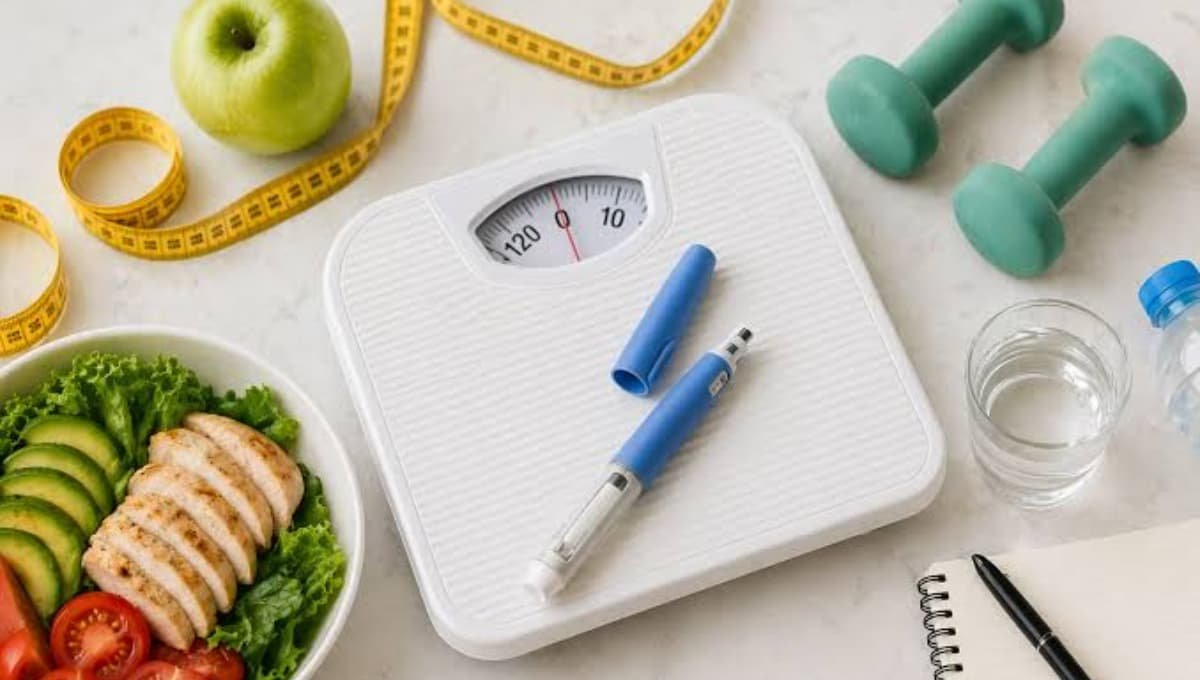
Protein keeps you full, protects your muscle while you’re in a calorie deficit, and takes more energy to digest than carbs or fat.
A good target for most adults trying to lose weight is roughly 0.7 to 1 gram of protein per pound of body weight, though this varies based on your body and activity level, so it’s worth checking with a doctor or dietitian if you want a specific number for you.
Eggs, Greek yogurt, chicken, fish, tofu, and legumes are all easy wins.
4. Don’t Skip Sleep to “Save Time”
This one surprised me the first time I actually looked into it.
Poor sleep messes with ghrelin and leptin, the hormones that control hunger and fullness. Less sleep tends to mean more cravings, especially for sugar and carbs.
Aiming for 7 to 9 hours a night isn’t a nice-to-have here. It’s part of the plan.
5. Drink Water Before You Reach for a Snack
Thirst and hunger signals get confused in the brain more often than people realize.
A simple habit: drink a full glass of water before deciding you need a snack. Wait ten minutes. Sometimes the “hunger” just quietly disappears.
6. Cut Liquid Calories First
Before touching your meals, look at what you’re drinking.
Soda, juice, sweetened coffee drinks, and alcohol can add hundreds of calories a day without making you feel any more full.
This is usually the easiest, least painful place to create a calorie deficit.
7. Track Something, Even Loosely
You don’t need to weigh every almond. But writing down what you eat, even in a simple notes app, tends to naturally reduce how much people eat.
It’s less about restriction and more about awareness. Most of us underestimate portions without realizing it.
8. Manage Stress, Because It Actually Affects Your Weight
This one gets overlooked constantly.
Chronic stress raises cortisol, and elevated cortisol is linked to increased appetite and more fat storage around the midsection for a lot of people.
You don’t need a full meditation practice to make a dent here. Even five minutes of deep breathing, a short walk outside, or stepping away from your phone before bed can help lower that baseline stress a bit.
Silas laughs at me for this, but I started doing a two minute stretch every morning before checking my phone, and it genuinely changed how my whole day felt.
Read this also: Brown Butter Pumpkin Blondies: My Cozy Fall Obsession
Time-Saving Tips for Busy Weeks
Two weeks of new habits sounds great in theory. In real life, most of us are juggling work, family, and about a hundred other things.
A few ways to make this easier without adding hours to your day:
- Batch cook proteins on one day. Grill or bake a big tray of chicken, tofu, or salmon once, then use it across multiple meals.
- Pre-cut vegetables right after grocery shopping so dinner takes ten minutes instead of thirty.
- Keep a “grab and go” protein list on hand: hard-boiled eggs, Greek yogurt, string cheese, canned tuna, or a protein shake for the days that get away from you.
- Combine your walk with something else you already do, like a call with a friend or catching up on a show.
- Prep breakfast the night before so mornings aren’t a scramble. Overnight oats or a pre-made egg bake both work well.
None of this needs to be fancy. The goal is removing decisions, because decision fatigue is usually what causes people to fall back on less helpful options by dinnertime.
Adjusting This for Different Needs
Everyone’s body and goals are a little different, so here’s how this might shift depending on your situation:
If you’re mostly sedentary during the day: lean more heavily on the walking habit, even short 10 minute walks spread through the day.
If you have joint pain or mobility limits: swimming, a stationary bike, or seated exercises can offer similar benefits without the same impact.
If you’re vegetarian or vegan: lean on lentils, beans, tofu, tempeh, edamame, and Greek yogurt or eggs if you eat dairy and eggs, to hit your protein goals.
If you’re managing a medical condition like diabetes or thyroid issues: please work with your doctor on the specifics here, since calorie and carb needs can look pretty different depending on the condition.
A Simple Sample Day at Home
Here’s roughly what a day following these habits might look like. Adjust portions and foods to your own needs and any medical guidance you’re following.
| Time | What |
|---|---|
| Morning | Glass of water, protein-forward breakfast (eggs, yogurt, or a smoothie with protein) |
| Midday | Lean protein, vegetables, a whole grain, and a short walk after |
| Afternoon | Water break instead of a sugary snack, a handful of nuts or fruit if truly hungry |
| Evening | Balanced dinner (protein, veggies, a smart carb), evening walk |
| Night | Wind down early enough for 7 to 9 hours of sleep |
Mistakes That Slow People Down
A few things I’ve watched trip people up, myself included:
- Cutting calories too hard, too fast. It backfires through intense hunger and low energy, and often leads to overeating later.
- Skipping meals. This usually just delays hunger, not eliminates it.
- Only focusing on exercise, not food. You genuinely can’t out-walk a consistently poor diet.
- Weighing in every single day. Weight naturally fluctuates with water, hormones, and sodium. Weekly check-ins give a truer picture.
- All-or-nothing thinking. One less-than-perfect meal doesn’t undo the week. Consistency over time is what counts.
When to Talk to a Doctor Instead of an App
If you have an underlying health condition, take medication, are pregnant or breastfeeding, or have a history of disordered eating, please talk to a doctor or registered dietitian before starting any new eating or exercise plan. What works generally isn’t automatically what’s safe for your specific situation.
FAQs Related to Weight Loss
1. Can you actually lose weight in 2 weeks at home without equipment?
Yes. Walking, bodyweight movement, and better eating habits don’t require a gym. Consistency matters far more than equipment.
2. How much weight can I safely lose in 2 weeks?
Most health guidelines point to roughly 1 to 2 pounds per week as a sustainable pace, so 2 to 4 pounds over two weeks is realistic for many people.
3. Do I need to cut carbs completely?
No. Balancing carbs with protein and fiber, rather than eliminating them, tends to be easier to stick with long term.
4. What’s the single best habit to start with?
If I had to pick one, it would be adding protein and vegetables to meals before worrying about anything else. It naturally crowds out less helpful choices.
5. Is it normal for the scale to barely move some days?
Completely normal. Water retention, sodium, hormones, and even how much you ate the night before can shift the number by a couple pounds.
Wrapping Up
Two weeks isn’t a magic number, but it’s enough time to build habits that actually last past week two.
Start with the plate, add the walks, protect your sleep, and be patient with the process. That’s genuinely the whole plan.
I’d love to hear which habit you’re starting with first. Drop a comment below and let me know how it goes, or if you’ve got questions about fitting this into a busy schedule.