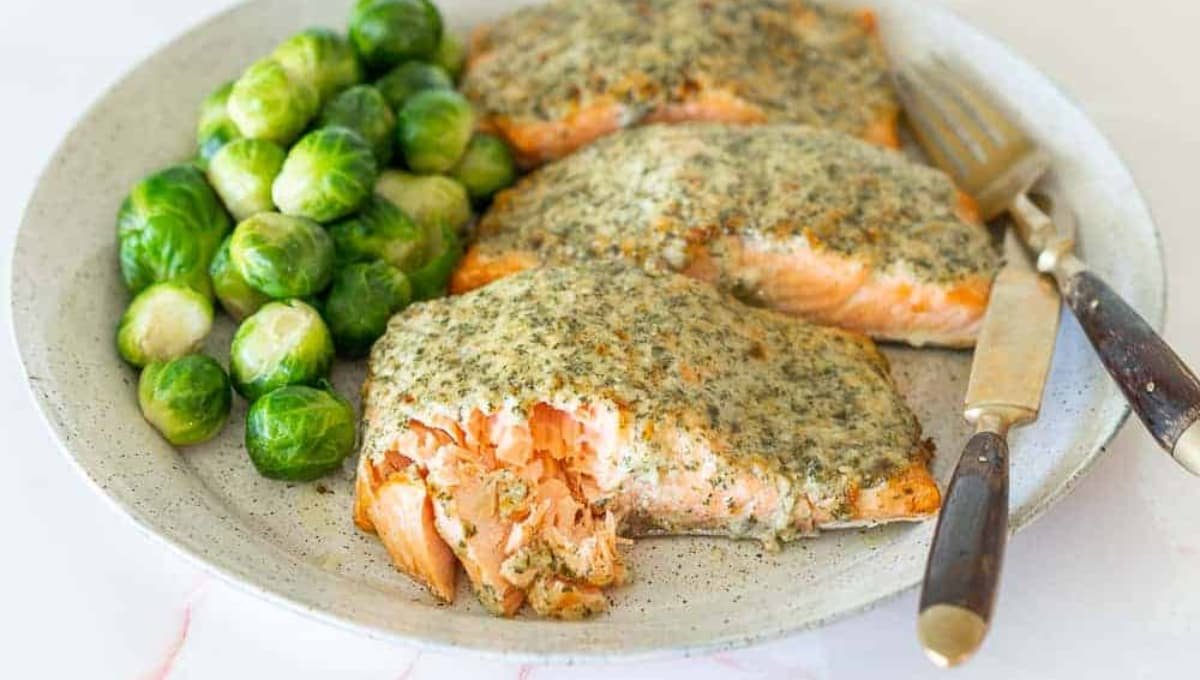
Heart-Healthy Baked Lemon Garlic Salmon: Can a recipe that tastes this good actually be good for your heart? I asked myself the same thing the first time my doctor handed me a list of “cardiac friendly” foods and salmon was at the very top.
I’ll be honest. I expected bland. I expected boring. I expected a piece of fish that tasted like sad, dry cardboard.
What I got instead was this. A buttery, garlicky, lemon-bright salmon that my whole family asks for now, heart health aside.
Side Note: This recipe uses heart-smart olive oil instead of butter and skips the added salt almost entirely, leaning on lemon and garlic to do the flavor work instead.
If you’re cooking for a cardiac diet, watching your cholesterol, or just trying to eat a little cleaner without sacrificing flavor, this one’s for you.
I’ve made this salmon more times than I can count now. Some nights it’s a fancy-feeling dinner with a glass of wine. Other nights it’s a rushed Tuesday meal eaten standing up at the counter.
Either way, it works. And that’s really the whole point of a good heart-healthy recipe. It has to fit into real life, not just a meal plan on paper.
Why This Recipe Works for a Heart-Healthy Diet
Salmon is loaded with omega-3 fatty acids, the kind of fat your heart actually wants more of.
The American Heart Association recommends eating fatty fish like salmon at least twice a week for exactly this reason.
This version keeps sodium low, uses heart-healthy olive oil instead of butter, and skips the heavy cream sauces that usually show up in salmon recipes.
It’s simple. It’s fast. And it doesn’t taste like a diet at all.
There’s also something surprising here that most people don’t realize. A lot of “healthy” salmon recipes actually work against you.
Think about the ones drenched in soy sauce, honey glaze, or a heavy cream sauce. Those add sugar and sodium right back in, undoing the benefit of the fish itself.
This version strips all of that out and lets the salmon and lemon do the talking.
Read this also: Maple Bacon Brussels Sprouts That’ll Convert Even the Haters
What You’ll Need
- 4 salmon fillets (about 6 oz each, skin on or off)
- 2 tablespoons extra virgin olive oil
- 4 garlic cloves, minced
- 1 lemon (zested and sliced)
- 1 teaspoon dried dill (or 1 tablespoon fresh)
- 1/4 teaspoon black pepper
- 1/8 teaspoon salt (optional, or a low-sodium seasoning blend)
- Fresh parsley, chopped, for garnish
That’s it. No mystery ingredients, no trip to a specialty store.
Tools You’ll Need
- Baking sheet
- Parchment paper or a lightly greased baking dish
- Small mixing bowl
- Zester or fine grater
- Meat thermometer (optional, but genuinely helpful)
How to Make Heart-Healthy Baked Lemon Garlic Salmon
- Preheat your oven to 400°F (200°C). Line a baking sheet with parchment paper.
- Pat the salmon dry with a paper towel. This helps it get those lightly golden edges instead of steaming.
- In a small bowl, whisk together the olive oil, minced garlic, lemon zest, dill, and pepper.
- Place the salmon fillets on the baking sheet. Brush or spoon the garlic mixture evenly over each piece.
- Lay a few lemon slices on top of each fillet. They’ll soften in the oven and add a little tang to every bite.
- Bake for 12 to 15 minutes, depending on thickness. You’re looking for an internal temperature of 145°F.
- Pull it out, sprinkle with fresh parsley, and let it rest for 2 minutes before serving.
That’s the whole thing. Fifteen minutes of hands-off baking and dinner is done.
Pro Tips From My Kitchen
1. Don’t skip the pat-dry step. Wet salmon steams instead of roasting, and you’ll lose that slightly golden top.
2. Buy fillets of equal thickness. This one trick saves you from ending up with one piece overcooked and one piece raw in the middle.
3. Use a thermometer if you have one. Salmon goes from perfectly tender to dry shockingly fast. 145°F is the sweet spot.
4. Fresh herbs make a real difference here. Dried dill works fine in a pinch, but fresh dill or parsley wakes the whole dish up.
5. Let it rest. Two minutes off the heat lets the juices settle back into the fish instead of running out onto your plate.
Substitutions and Variations
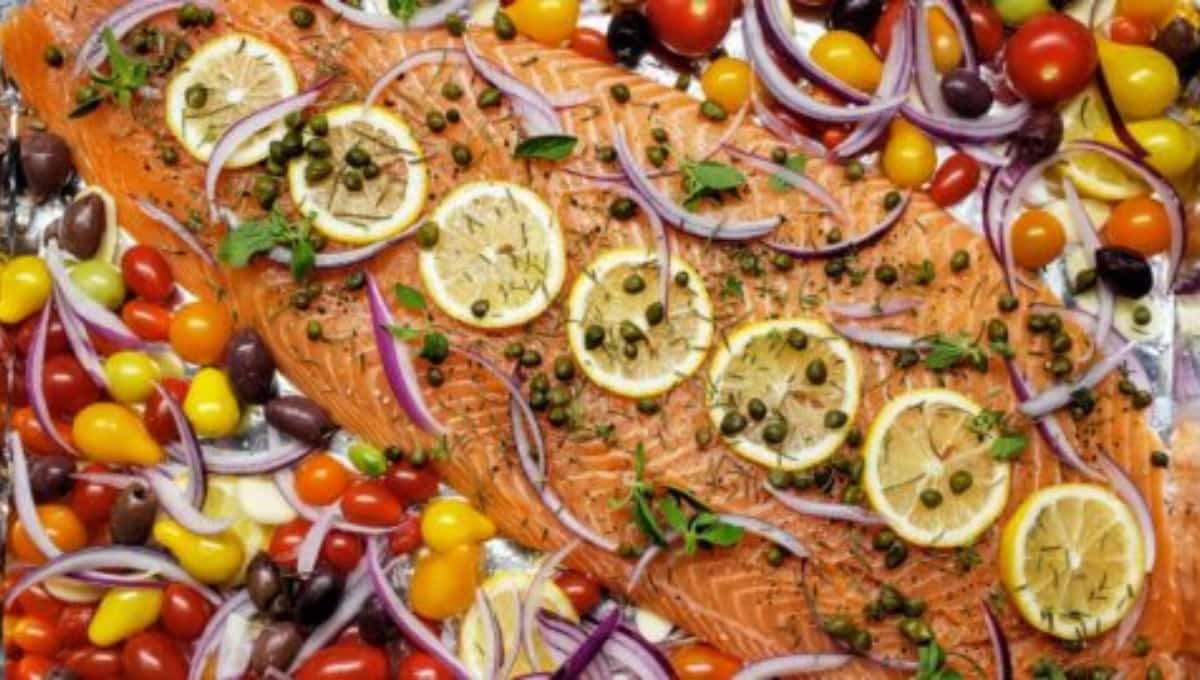
- No salmon on hand? This method works just as well with trout, arctic char, or even cod (adjust bake time down for thinner cuts).
- Want it spicier? Add a pinch of red pepper flakes to the garlic mixture.
- Herb swap: Rosemary or thyme both work beautifully in place of dill.
- Citrus swap: Orange or grapefruit slices instead of lemon give it a slightly sweeter edge.
- Dairy-free, gluten-free, low-carb: This recipe is naturally all three, no changes needed.
Read this also: Crockpot Chicken and Wild Rice Soup That Basically Makes Itself
Make Ahead Tips
You can mix the garlic and oil marinade up to 2 days ahead and store it in the fridge in an airtight container.
You can also portion and season the salmon the night before, cover it tightly, and bake it fresh the next day.
I wouldn’t marinate longer than 24 hours though. The acid from the lemon starts to change the texture of the fish if it sits too long.
A Few More Helpful Details
Nutritional Breakdown (per serving, approximate)
| Nutrient | Amount |
|---|---|
| Calories | 290 |
| Protein | 34g |
| Fat | 16g |
| Saturated Fat | 2.5g |
| Omega-3s | ~1,800mg |
| Sodium | 135mg |
| Carbohydrates | 2g |
Diet-Specific Swaps
- Low sodium diet: Skip the added salt entirely and lean on lemon zest and fresh herbs for flavor.
- Keto or low carb: Already fits, just pair with a low-carb side.
- Renal diet: Talk to your dietitian about portion size, but this recipe avoids the high-sodium marinades that are usually the bigger issue.
What to Serve It With
- Steamed broccoli or asparagus
- A simple arugula salad with lemon vinaigrette
- Quinoa or brown rice for a heartier plate
- Roasted sweet potatoes if you want something a little more filling
I usually keep the sides just as simple as the salmon. A squeeze of the same lemon over your vegetables ties the whole plate together without adding a single extra ingredient to your grocery list.
Time-Saving Tip
Prep your garlic mixture and side vegetables while the oven preheats. By the time the oven hits 400°F, everything is ready to go in at once.
Leftovers and Storage
Salmon leftovers keep well in an airtight container in the fridge for up to 3 days.
To reheat, warm it gently in a 275°F oven for about 10 minutes. This keeps it from drying out the way a microwave usually does.
Cold leftover salmon also works surprisingly well flaked over a salad the next day, so don’t be afraid to plan for extras.
Common Mistakes to Avoid
Overcrowding the pan. Give each fillet a little breathing room. Crowded salmon steams instead of roasting and you lose that golden top.
Cooking straight from the fridge. Let the salmon sit out for about 10 minutes before baking. Cold fish in a hot oven cooks unevenly.
Guessing on doneness. This is the number one reason people end up with dry salmon. A thermometer takes the guesswork out completely.
Skipping the resting time. It feels like an unnecessary step, but those 2 minutes make a real difference in how juicy the fish stays.
FAQs Related to heart-healthy Baked Lemon Garlic Salmon
1. Is salmon actually good for a cardiac diet?
Yes. Salmon is rich in omega-3 fatty acids, which have been linked to lower triglycerides and reduced risk of heart disease.
2. Can I use frozen salmon for this recipe?
Absolutely, just thaw it fully in the fridge overnight first and pat it very dry before seasoning.
3. How do I know when salmon is done without a thermometer?
The flesh should flake easily with a fork and look opaque, not translucent, all the way through.
4. Is this recipe safe for a low-sodium diet?
Yes. As written it contains well under 150mg of sodium per serving, and you can drop the salt entirely if needed.
5. Can I cook this on the stovetop instead?
You can pan-sear it in a lightly oiled skillet for about 4 minutes per side, though the oven method is more hands-off.
6. How often should I actually eat salmon for heart health?
Most cardiologists and dietitians point to about twice a week as the sweet spot for getting a meaningful omega-3 benefit.
7. Does the skin need to come off before baking?
Not at all. Skin-on salmon actually helps hold the fillet together and crisps up nicely on the bottom.
Conclusion
Eating for your heart doesn’t have to mean giving up flavor, and this salmon is proof of that. It’s quick enough for a weeknight, simple enough for a beginner, and honestly good enough that nobody at your table will guess it’s “diet food.”
This is one of those recipes that quietly becomes a regular in your rotation. You’ll make it once for the health benefits, and you’ll keep making it because it’s genuinely delicious.
Give it a try this week, and let me know in the comments how it turned out for you. I’d also love to hear what heart-healthy recipes you want to see next.